
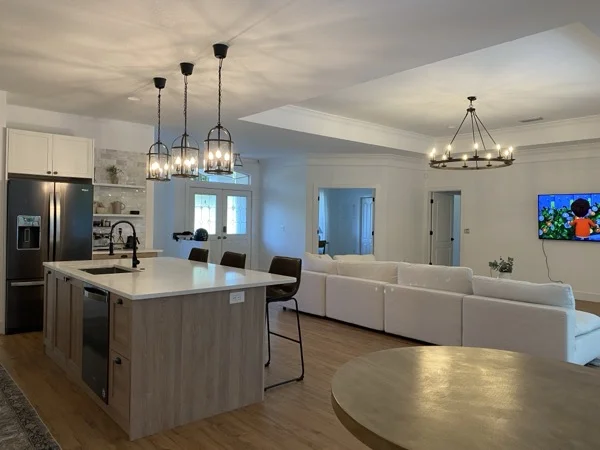
Interior Painting Tips for Florida Homes: Colors, Prep, and What to Avoid
Why Interior Painting in Florida Is Different
Florida's climate creates unique challenges for interior painting that homeowners in other states simply don't face. Humidity levels routinely exceed 70%, which affects how paint adheres, dries, and performs over time. Air conditioning runs constantly, creating temperature differentials between walls and ambient air that can cause condensation issues. Mold and mildew are persistent threats in bathrooms, kitchens, and any room with poor ventilation.
Understanding these factors before you pick up a brush or hire a contractor is the difference between a paint job that looks great for years and one that peels, bubbles, or grows mildew within months.
Best Paint Types for Florida Humidity
Choosing the right paint formulation matters more in Florida than almost anywhere else. Here's what to consider for each sheen level:
- Flat/Matte: Best for ceilings and low-traffic rooms. Hides imperfections well but harder to clean. Use mildew-resistant formulations.
- Eggshell: The most popular choice for Florida living rooms and bedrooms. Provides subtle sheen, easier to clean than flat, and resists moisture better.
- Satin: Ideal for hallways, family rooms, and children's bedrooms. Durable, washable, and handles humidity well.
- Semi-Gloss: Essential for bathrooms, kitchens, laundry rooms, and trim. Highly moisture-resistant and easy to clean.
Premium brands like Sherwin-Williams and Benjamin Moore offer formulations specifically designed for high-humidity environments. Look for paints labeled as mildew-resistant or containing antimicrobial additives.
Surface Preparation: The Five-Step Process
Proper prep is the foundation of a lasting interior paint job, especially in Florida's humid climate.
- Clean all surfaces — Wipe down walls with a damp cloth or TSP solution to remove dust, grease, and mildew. In Florida, even walls that look clean can harbor mold spores.
- Repair imperfections — Fill nail holes, patch drywall cracks, and sand rough spots smooth. Humidity can cause joint compound to take longer to dry, so allow extra time.
- Sand and degloss — Lightly sand previously painted surfaces to ensure proper adhesion. This is especially important on trim and doors with glossy finishes.
- Apply primer — Never skip primer in Florida. Use a high-quality, mildew-resistant primer to seal surfaces and provide a consistent base. Stain-blocking primer is essential over water stains or smoke damage.
- Tape and protect — Apply painter's tape to trim, windows, and fixtures. Cover floors and furniture with drop cloths.
Popular 2026 Interior Color Trends for Florida Homes
Florida homes have a distinct aesthetic that blends coastal relaxation with modern sophistication. Trending colors for 2026 include warm earth tones with sandy beiges and terracotta accents, coastal blues ranging from soft seafoam to deep navy for accent walls, warm whites and creamy off-whites that reflect natural light, sage and olive greens that connect indoor spaces to Florida's lush landscaping, and warm grays with undertones of blue or green that pair well with natural wood and stone.
Full Spectrum Renovations offers color consultation as part of every painting project, helping homeowners choose palettes that complement their lighting, furnishings, and the Florida aesthetic.
Common Interior Painting Mistakes in Florida
Avoid these pitfalls that are especially problematic in Florida's climate:
- Skipping primer in humid areas — Primer creates a moisture barrier that prevents peeling and mildew growth. In bathrooms and kitchens, this step is non-negotiable.
- Using the wrong sheen — Flat paint in a bathroom will grow mold quickly. Always use semi-gloss or satin in moisture-prone rooms.
- Painting when humidity is too high — Avoid painting when indoor humidity exceeds 60%. Run your AC and use a dehumidifier to create optimal conditions.
- Not allowing enough dry time — Florida's humidity means paint takes longer to dry. Allow 4–6 hours between coats rather than the 2–4 hours listed on most labels.
- Ignoring ventilation — Open windows when possible and run fans to circulate air. Proper ventilation prevents moisture from getting trapped under fresh paint.
When to Hire a Professional
DIY interior painting works for a single accent wall or a small room in good condition. But consider hiring a professional when you have multiple rooms to paint, your ceilings are 10+ feet high, there's existing mold or water damage, you need specialty finishes, or you want the job done in days rather than weeks.
Full Spectrum Renovations has completed over 10,000 projects across Sarasota, Tampa, Orlando, and Fort Myers. Our EPA Lead-Safe Certified team handles all prep work, uses premium paints, and delivers clean, durable results. Contact us at (941) 287-9233 for a free consultation.
FAQ
What type of paint is best for interior walls in Florida?
For most Florida interior walls, a premium eggshell or satin finish with mildew-resistant properties is ideal. Use semi-gloss in bathrooms, kitchens, and laundry rooms for maximum moisture resistance.
How long does interior paint take to dry in Florida?
In Florida's humid climate, allow 4–6 hours between coats. Run your AC and consider a dehumidifier to reduce dry time. Avoid painting on days when indoor humidity exceeds 60%.
How often should interior walls be repainted in Florida?
Most Florida interiors last 5–7 years before needing a repaint. High-traffic areas and moisture-prone rooms may need touch-ups sooner. Quality paint and proper prep extend the lifespan significantly.
Should I use primer before painting interior walls?
Always, especially in Florida. Primer provides a moisture barrier, improves paint adhesion, blocks stains, and helps prevent mildew growth. Skipping primer is the most common cause of early paint failure in humid climates.